REVIEW · PROVIDENCIALES
Mangrove & Iguana Clear Kayak Tour
Book on Viator →Operated by Island Adventure · Bookable on Viator
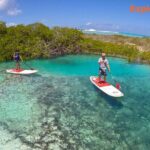
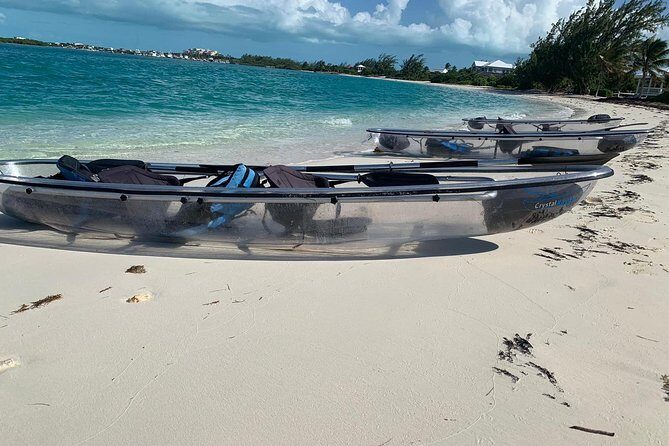
A clear kayak cuts the sea into a front-row seat. On this Mangrove & Iguana tour near Providenciales, you paddle (and sometimes get towed) while watching sea turtles, stingrays, and more from below. The day also adds Iguana Island, where rock iguanas and birds turn the trip from pretty to genuinely memorable.
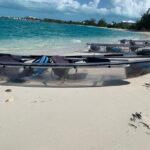
I like that you get transparent kayaks plus safety gear, so the experience feels both hands-on and controlled. I also like the small-group approach: it’s capped at nine participants for more personal guiding, with a max group size listed as 12 travelers. That means you’re not just drifting with a crowd and hoping for the best.
One thing to plan for: the water can be windy or choppy, and depending on conditions you may spend less time actively paddling and more time being towed by boat/jet ski. Also, you need moderate fitness, since paddling through mangrove areas is still work.
In This Review
- Quick takeaways before you go
- Why Clear Kayaks on Mangrove Cay Feel Different Than Typical Tours
- Mangrove Cay: Calm Estuaries, Red Mangroves, and Easy Paddling
- Iguana Island Stop: Rock Iguanas, Birds, and the Mosquito Pocket
- How the Tour Flows: Tows, Jet-Ski Pulls, and When You Actually Paddle
- Wildlife You Can Expect: Turtles, Stingrays, Conch, Jellyfish, and Small Sharks
- Guide Quality and Small-Group Control: What “Capped” Actually Means
- Practical Notes: Sun, Wind, Wet Bags, and What to Pack
- Price and Value: Is $155 Worth It for 2.5 Hours?
- Who Should Book This Clear Kayak Tour (and Who Might Want Another Option)
- Should You Book the Mangrove & Iguana Clear Kayak Tour?
- FAQ
- How long is the Mangrove & Iguana Clear Kayak Tour?
- Is pickup included?
- What is the meeting point?
- What wildlife and attractions can I expect to see?
- Are transparent kayaks provided?
- What should my fitness level be?
- Is bottled water included?
- What if weather conditions are poor?
Quick takeaways before you go
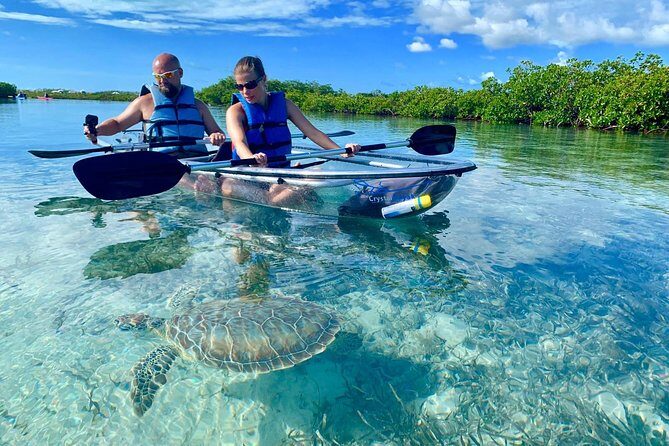
- See wildlife from below: Transparent hulls make turtles, stingrays, conch, and fish easier to spot and track.
- Small-group attention: You get guided stops and calmer pacing with a cap of nine participants for individual attention.
- Mangrove Cay is the calm-water core: Red mangrove estuaries often mean easier, safer conditions for many skill levels.
- Iguana Island adds variety: Rock iguanas and birds change the day from marine wildlife to island life.
- You’ll want sun and wind prep: It can get intense, and the paddle effort changes with weather.
Why Clear Kayaks on Mangrove Cay Feel Different Than Typical Tours
Mangrove kayaking here isn’t just about being on the water. It’s about seeing the ecosystem doing its thing. With a clear kayak, you trade the usual guessing game of snorkel sightseeing for something more direct: you can watch movement under you as you glide through mangrove estuaries.
The other major draw is how the tour mixes “watching” with “learning.” You’re not left alone out on open water. Guides help you locate wildlife and explain what you’re seeing, from conch to iguanas. In the best moments, you’re not just seeing animals—you’re understanding why they’re there.
There’s also a practical comfort element. Bottled water is provided, and safety equipment is included. That matters because it lets you focus on the viewing instead of thinking about logistics the whole time.
A few more Providenciales tours and experiences worth a look
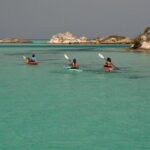

Mangrove Cay: Calm Estuaries, Red Mangroves, and Easy Paddling
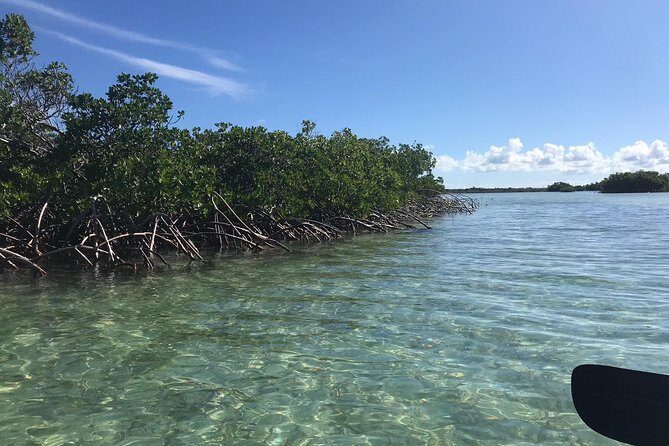
Mangrove Cay is the big kayaking area near Providenciales. It’s small and uninhabited, and it’s mostly red mangrove estuaries—those tunnel-like waterways that feel protected even when the island breeze is doing its thing.
This is where the tour earns its “good for all levels” reputation. The largest estuary leading into the cay is described as sheltered and calm, which usually means steadier paddling and a more relaxed experience for beginners and experienced kayakers alike. You’re not forced to fight rough surf to get to the best wildlife zones.
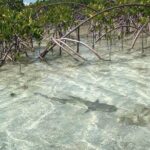
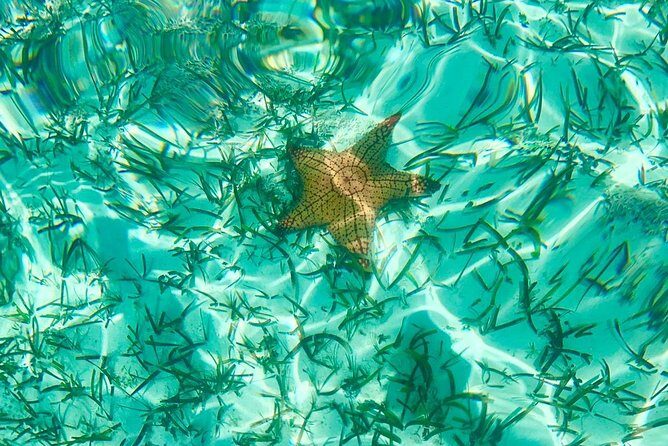
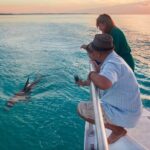
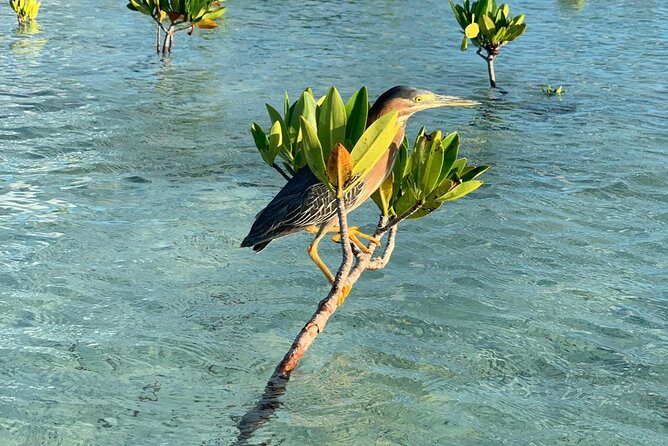
From your kayak, you’re in prime territory for common sightings such as juvenile turtles and sharks and other sea life including conch and starfish. Bird life shows up too—herons and egrets are called out—so even when the water is quiet, your eyes stay busy.
A small heads-up: mangrove areas can make the day feel slower than you expect. Even when you’re in a kayak, you might not be paddling the whole time. In some conditions, the tour uses towing to move you between sections so you can spend more time where sightings are most likely.
Iguana Island Stop: Rock Iguanas, Birds, and the Mosquito Pocket
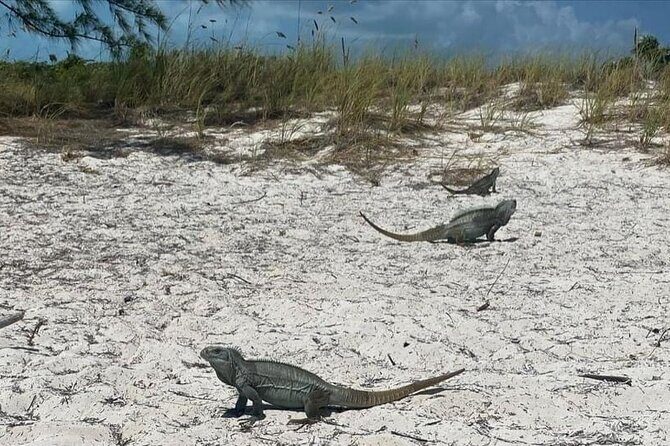
The second major “wow” part is Iguana Island (often referred to as Little Water Cay). This is where the tour shifts from ocean view to island life, and that change keeps the day from feeling repetitive.
You’re looking for rock iguanas and a strong mix of birds. The pacing also tends to be visitor-friendly. Several guides are known for stopping you at key spots long enough to actually notice the animals’ behavior—what they’re doing, where they’re moving, and why the habitat works for them.
One consideration is insects. There’s a specific note from past guests that the mosquito activity is concentrated in one area near a visitor’s cabin. That doesn’t mean the whole island is miserable, but it does mean you should treat insect repellent as part of your kit, not an optional extra.
The island stop is also a good mental reset. After staring down into the clear water, it’s refreshing to shift to scanning for iguanas and birds on land.
How the Tour Flows: Tows, Jet-Ski Pulls, and When You Actually Paddle
If you’re picturing two solid hours of constant paddling, adjust your expectations. The tour style is more “managed wildlife route” than “workout marathon.”
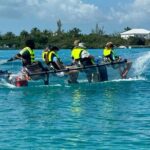
You may start with boat transport across the channel, then be pulled into position near the mangroves. From there, you can paddle in sections—but several accounts describe being towed train-style through the open channel between highlights. Translation: your kayak is still your viewing platform, but the tour uses assistance to get you where you need to be without turning the trip into a shoulder grinder.
This has upsides. It means you can enjoy the wildlife viewing windows instead of arriving exhausted. It can also help mixed-experience groups stay together safely.
The tradeoff is simple: depending on wind, you might do less active paddling than you expected. If you want a purely athletic paddle session, this may feel like only part of the deal. If your priority is wildlife and comfort while viewing, the towing approach often makes the day better, not worse.
Wildlife You Can Expect: Turtles, Stingrays, Conch, Jellyfish, and Small Sharks
This is a wildlife-forward outing, and the tour’s strength is that it doesn’t just promise animals—it names the kinds you’re likely to see and gives you enough time to actually spot them.
In the mangrove and estuary sections, you can reasonably look for:
- Sea turtles (including juveniles)
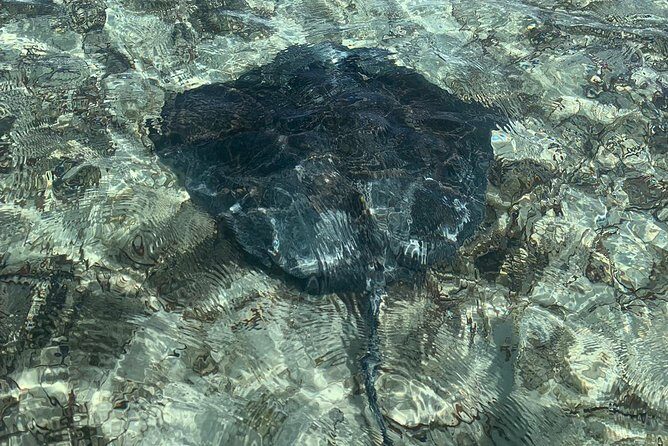
- Stingrays
- Small sharks, with sightings described as juvenile or smaller types
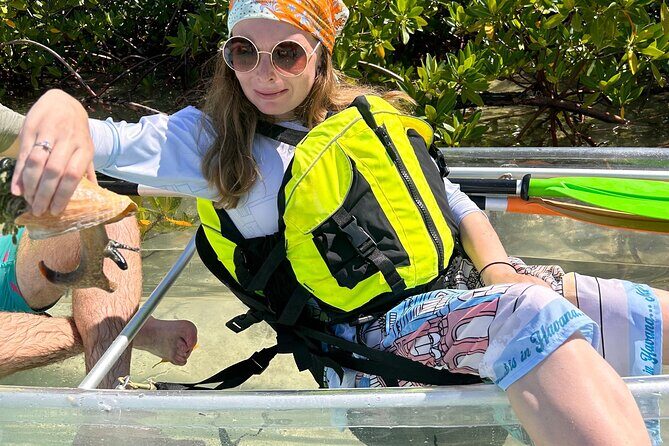
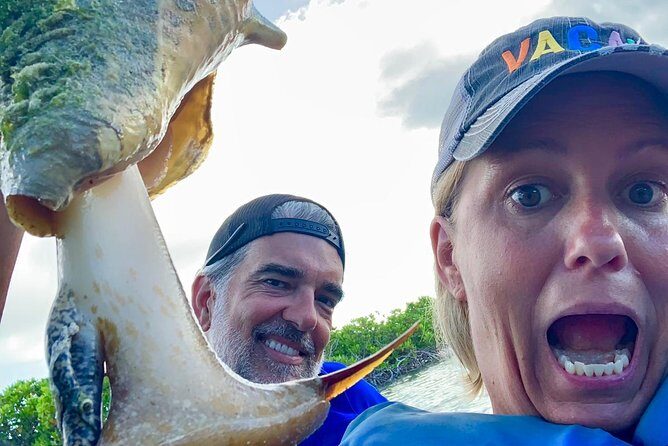
- Conch and even live conch shells in some moments
- Starfish
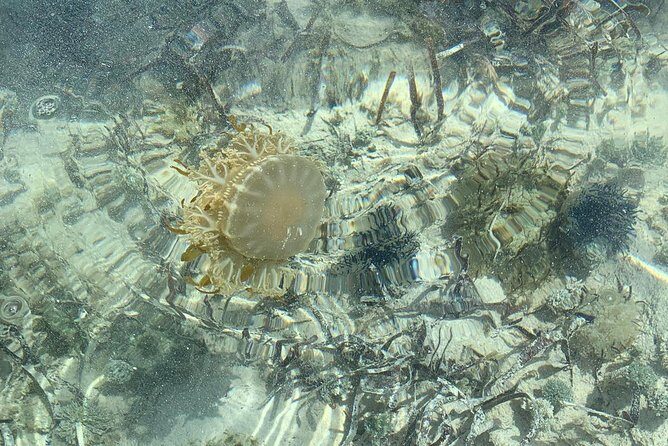
- Jellyfish
- Fish that show up in the clear-water view
- Birds like herons and egrets
One reason a clear kayak helps so much is that mangrove waters can be tricky to scan from above. From your seat, you can track movement in the water column and on the sandy/mucky bottom. That makes “spotting” more reliable than a quick glance from a boat.
It also helps that guides can position you for better sight lines. Past guides with standout reputations include Mikey, Miracle, Jean, Smith, Benson, and Daniel (nicknamed Pelican Eye). The common thread: they’re good at getting you to slow down, look longer, and notice details—like the life cycle facts they share for conch or the way iguanas use the island environment.
If the water is choppy, sightings can still happen, but the viewing experience depends on conditions. Wind can push you around, and the tour plan includes towing/assistance in those cases.


Guide Quality and Small-Group Control: What “Capped” Actually Means
A lot of tours say they’re small-group. Here, the numbers matter. The format is described as capped at nine participants for individual attention, with a maximum group size listed as 12 travelers.
That affects your day in practical ways:
- You’re more likely to get help if you’re adjusting your paddling or footing.
- You get more time where animals appear, rather than rushing to keep everyone on schedule.
- Your guide can teach without losing people.
This is where guide personalities come through. Several guides are mentioned by name in excellent ratings—Mikey, Miracle, Daniel Pelican Eye, Jean, Smith, and Bensley/Benley. Across these accounts, what repeats is the blend of safety, patience, and instruction. You get both the excitement of animal sightings and the “why” behind them.
If you’re traveling with kids or anyone who’s nervous on the water, this small-group structure tends to be reassuring. And if you’re an experienced paddler, the attention helps you improve your technique and choose your best viewing angles.
Practical Notes: Sun, Wind, Wet Bags, and What to Pack
This outing happens outside, and the weather matters. The tour is described as requiring good weather, and it can be windy or even choppy on some days. That affects comfort and how hard you feel the paddle in your arms.
Here’s what I’d plan for:
- Sunscreen and sun protection: One guest specifically recommended an early departure because the sun intensity can get intense later in the morning.
- Wind comfort: Even if it’s warm, wind makes it feel cooler on the water—and it can shift paddling effort.
- Insect repellent: Especially for the Iguana Island area near the visitor’s cabin pocket.
- Dry storage: A tip from past guests is that wet bags are offered for keeping items dry.
- Moderate fitness readiness: You’re not asked to be an athlete, but paddling and balancing in a kayak still take effort.
Also, remember you’re in transparent kayak seating and open air. That means small items you’d normally keep loose in a pocket can become problems if the wind picks up. Use the wet bag option if it’s provided, and keep anything you care about secured.
If you’re sensitive to sun or wind, aim for a morning slot when possible. Past guest notes say early times help you avoid peak heat while still getting wildlife action.
Price and Value: Is $155 Worth It for 2.5 Hours?
At $155 per person for about 2 hours 30 minutes, the price sits in the “worth it if you care about the experience” range. This isn’t a simple beach activity. You’re paying for:
- transparent kayaks (a big difference in how you view wildlife)
- safety equipment included
- bottled water provided
- a guided route through mangroves and to Iguana Island
- a small-group setup that helps you actually see animals, not just pass by them
Value is also about what you’re buying: wildlife viewing time plus education, in a format that’s easy for many skill levels. If your travel style is hands-on nature with real animal sightings, this price tends to make sense.
If you’re only looking for general sightseeing and you don’t care about wildlife, you might feel it’s expensive. But if you want the “underwater view” effect from a kayak and you want the island variety, $155 can be a solid deal.
One more value point: pickup is offered from select hotels, which can cut down hassle time. That matters when you’re on a tight island schedule and want the experience to start smoothly.
Who Should Book This Clear Kayak Tour (and Who Might Want Another Option)
This tour is a great fit if you want:
- a wildlife-focused morning or half-day
- a kayak format that makes spotting animals more likely
- an easy-to-moderate activity with guidance and safety support
- both marine life and iguana/landlife in one outing
It may be less ideal if:
- you want constant paddling for pure exercise
- you have back or shoulder issues (paddling effort can be a factor, even if you get towing help)
- you’re not comfortable with wind uncertainty, since conditions can change how the day feels
If you’re traveling with a family, the small-group structure and the guide attention can be a big plus. One reason the tour shows up as a family favorite is that you can keep kids interested: turtles below, iguanas on land, plus frequent explanations that make the animals feel less like random dots.
Should You Book the Mangrove & Iguana Clear Kayak Tour?
In plain terms: I’d book it if you want a rare-feeling nature experience near Providenciales that pairs transparent kayak viewing with Iguana Island. The small group size, the guided wildlife route, and the mix of marine and land animals are the big reasons to pick this over a standard boat ride.
Skip it only if you know you don’t handle wind or water movement well, or if you need a strictly low-effort activity. Otherwise, this is the kind of outing that turns a Caribbean morning into something you’ll talk about long after you’re back on land.
FAQ
How long is the Mangrove & Iguana Clear Kayak Tour?
It runs for about 2 hours 30 minutes.
Is pickup included?
Pickup is offered from select hotels.
What is the meeting point?
The start point is Turks And Caicos Flyboard and Jet Ski Rental Excursions at Heaving Down Rock, Walking Marina (Leeward Settlement, TKCA 1ZZ).
What wildlife and attractions can I expect to see?
You can see sea life such as turtles, stingrays, and small sharks, plus conch and other creatures in the mangrove area. You’ll also get to visit Iguana Island to see rock iguanas and birds.
Are transparent kayaks provided?
Yes, the tour uses transparent kayaks, and safety equipment is provided.
What should my fitness level be?
A moderate physical fitness level is recommended.
Is bottled water included?
Yes, bottled water is provided to all guests.
What if weather conditions are poor?
This experience requires good weather. If it’s canceled due to poor weather, you’ll be offered a different date or a full refund.