REVIEW · GRAND TURK
Grand Turk: Whale Watching
Book on Viator →Operated by Ocean Vibes Scuba and Watersports Ltd. · Bookable on Viator
Whales show up like clockwork here. This Grand Turk excursion puts you on a whale-focused boat with an elevated fly-bridge, so the captain can scan from higher up and improve your odds of a real sighting. You also get whale-safe viewing so you can watch without turning it into a chaotic circus.
I like that the tour wraps education into the fun. You’ll travel with an on-board marine biologist and use a hydrophone to hear whale sounds while your guide explains behavior, biology, and habitat in plain language.
One thing to factor in: the experience depends on good weather, and it’s a 3.5-hour time on the water. If you’re prone to motion sickness or you don’t feel comfortable with moderate physical activity, plan accordingly.
In This Review
- Key things I’d watch for on this Grand Turk whale trip
- Grand Turk whale watching hits its best window mid-Jan to mid-April
- Jack’s Shack beach check-in and cruise-friendly timing
- The boat design: elevated fly-bridge spotting plus hydrophone listening
- What the 3.5 hours feel like once you’re off Grand Turk
- How the marine biologist makes the whale watching click
- Rum punch, snacks, and the small-group comfort factor
- Price: what $200 buys you on Grand Turk
- Who should book this whale watching trip, and who should think twice
- Practical expectations for whale watching from a distance
- Should you book Grand Turk whale watching with Ocean Vibes?
- FAQ
- How long is the Grand Turk whale watching tour?
- When is the humpback whale season best in Grand Turk?
- Where do I meet for the tour?
- What’s included in the price?
- Do we listen to whale sounds during the trip?
- Is the rum punch included for everyone?
- What’s the group size limit?
- What happens if weather is poor?
Key things I’d watch for on this Grand Turk whale trip
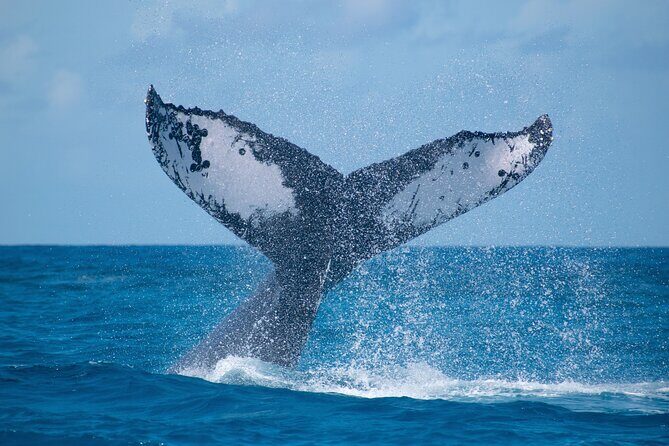
- Elevated fly-bridge viewing helps the captain spot whales sooner
- On-board marine biologist + hydrophone turns sightings into real learning
- A distance-first approach keeps whale watching respectful and calmer
- Rum punch, water, and snacks make the time on the water feel easier
- Max 30 travelers means it’s not a cattle-call boat
- Cruise-ship friendly timing with coordination for ship arrivals
Grand Turk whale watching hits its best window mid-Jan to mid-April
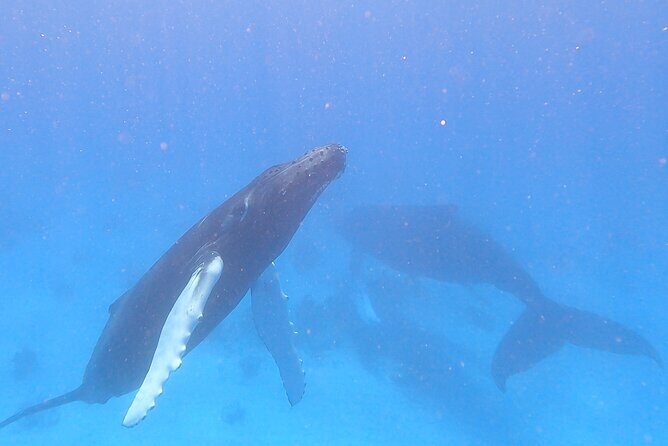
This is a seasonal game, and Grand Turk knows it. The best time for humpback watching is between mid January and mid April. If you’re traveling in that window, you’re aiming at peak chances for Atlantic humpbacks to be in the area during migration.
The route matters too. You’re heading toward the whales’ migration path on the way to the Dominican Republic’s Silver Banks. That matters because whale watching isn’t just about finding one animal. It’s about finding the likely corridor where their movements concentrate.
If you’re thinking about booking based on vibes alone, go one step more practical. Check your dates. If your trip falls outside the mid-Jan to mid-April window, your odds may drop, and it’s smart to have realistic expectations about sightings.
You can also read our reviews of more whale watching tours in Grand Turk
Jack’s Shack beach check-in and cruise-friendly timing
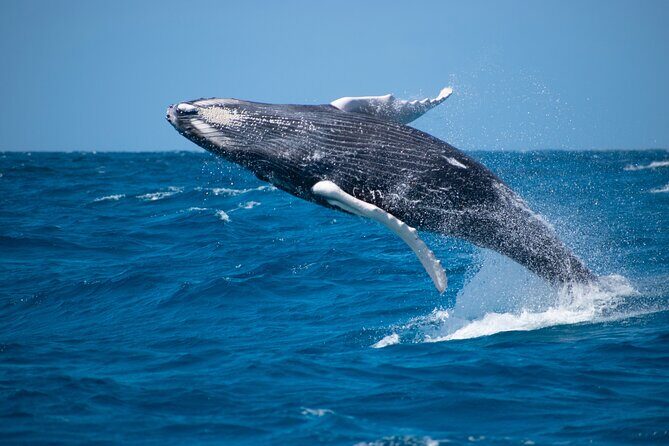
You start at Jack’s Shack Beach Bar & Grill, right on the beach opposite the Island Power Plant in Cockburn Town (Turks and Caicos). That’s useful because it’s not one of those mystery meeting points. You’re boarding at the beach, and the day runs on a shore-excursion rhythm.
Tours are also coordinated with cruise ship arrivals, which can make a big difference. It means the operator is planning around the tight timing cruise days bring. If you’re on a cruise, that coordination usually translates into fewer delays and less scrambling.
One more heads-up if you’re flying in the same day from Providenciales: you’ll need to speak with the reservations agent to confirm the arrival and departure times line up with the boat schedule. That’s not something you want to leave to chance when you have one shot at a half-day window.
The boat design: elevated fly-bridge spotting plus hydrophone listening
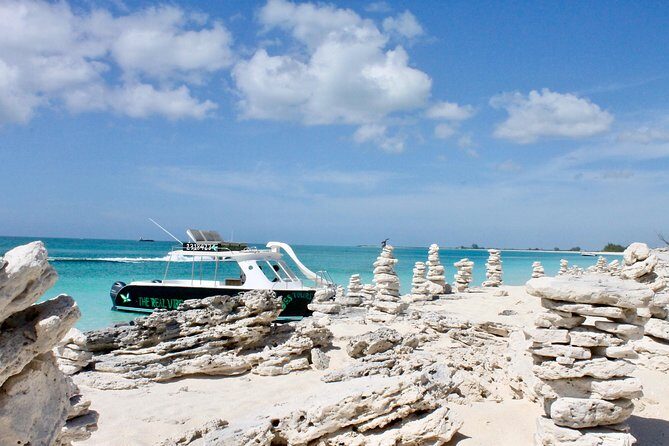
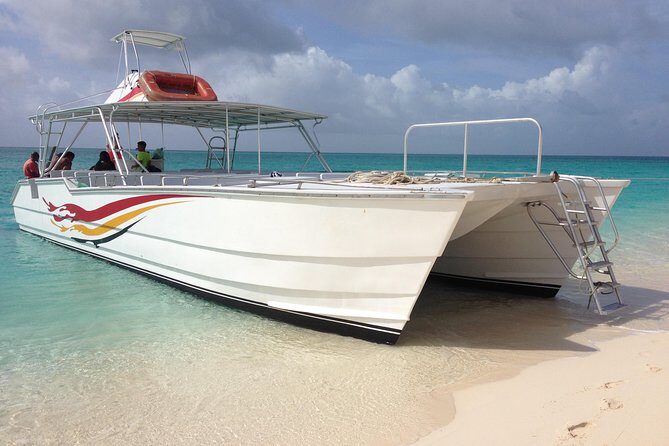
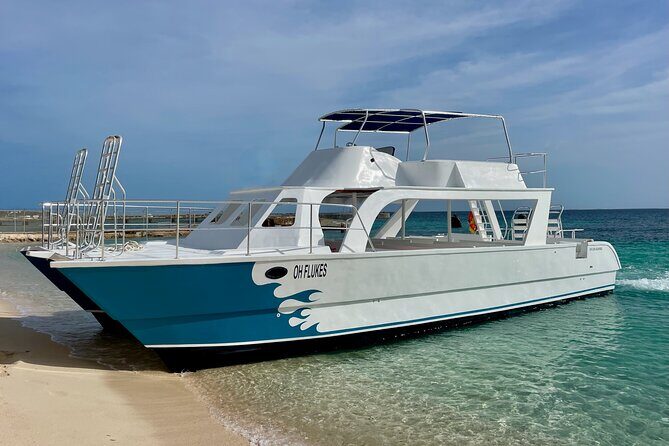
This excursion uses a specially designed whale watching vessel, and the key feature is the elevated fly-bridge. The captain gets a higher vantage point, which helps when you’re scanning for spray, tail activity, or a whale’s breath at the surface. In open water, small visibility advantages can lead to better spotting.
When whales are located, the plan stays respectful: the boat heads out to where they are and observes them from a distance. That’s not just good manners. It also keeps the experience calmer and more consistent, because the goal is to watch behavior rather than force a confrontation.
Another standout is the hydrophone, which is included. While you’re looking out, you may also get a chance to listen to whale sounds. It turns the outing from just visual sightseeing into something you can engage with on multiple senses. For a short excursion, that’s great value.
What the 3.5 hours feel like once you’re off Grand Turk
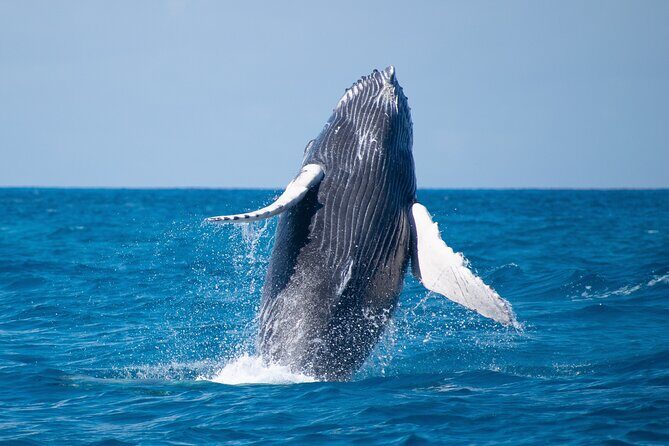
The day is set up around one main thing: time on the water searching for and watching humpbacks. Expect roughly 3.5 hours total.
Here’s what that typically looks like in practice:
- You board at the beach and head out toward the sighting area associated with the whales’ migration route.
- The captain and crew scan from the fly-bridge and work to coordinate with other boats in the area.
- Once whales are found, you move to the observation zone and watch from a respectful distance.
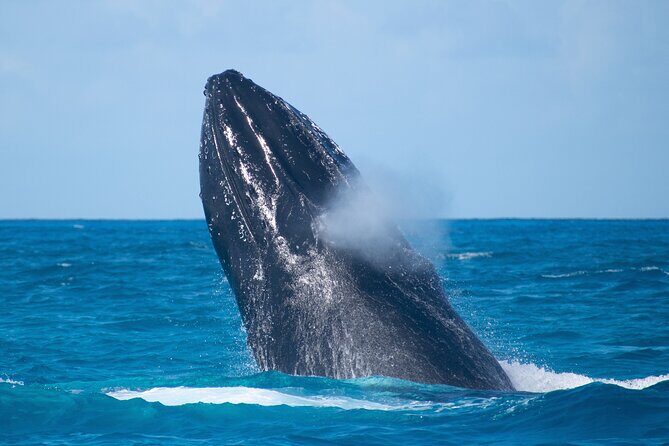
- Sometimes the whales approach and hang around for a while, which is when the whole outing feels extra special.
This is a half-day shore excursion, so it’s not about long transit days or multiple stops. The itinerary is built for focus: search, locate, observe, then head back. That focus is why a 3.5-hour outing can feel like it goes by fast even when you’re waiting for the next splash.
A practical note: you’ll want to stay alert and follow crew direction during whale approach and observation. On a boat, your best tool is still your attention—because sightings can happen quickly, and good viewing often means being in the right spot at the right time.
How the marine biologist makes the whale watching click
You’re not just handed a view and sent on your way. An on-board marine biologist is part of the package, and that changes what you take away from the trip.
From the start, you’ll learn about humpback behavior, biology, and habitat. The real value here is context. When you understand what you’re seeing—breathing, surfacing patterns, and general behavior—you start to connect the dots instead of just reacting to random moments.
And because the whales are being observed from a distance, your learning stays grounded. You’re seeing natural behavior rather than a forced show. When the whales approach and linger, you’ll be more prepared to notice what’s going on.
If you like nature tours that teach you something useful (not just trivia), this is the right style. For many people, it’s the difference between I saw a whale and I understand what I just witnessed.





Rum punch, snacks, and the small-group comfort factor
You get bottled water, snacks, and a glass of rum punch on board. It’s a small inclusion, but on a boat trip it helps. It’s one less thing you have to plan for, and it makes the ride feel more like an outing than a chore.
The rum punch also comes with a clear boundary: the minimum drinking age is 18. So if you’re traveling with younger teens and older family members who might want a drink, plan for that mix ahead of time.
One of the most positive details from past experiences is how comfortable the boat can feel when the group is small. In at least one case, the vessel looked like it could hold far more people, yet the group size ended up extremely light. That kind of ratio can make the experience feel relaxed, with room to move and better chances to get a good view where you prefer to stand or sit.
Also, the tour has a maximum group size of 30 travelers, so you’re usually not dealing with an overcrowded deck. In whale watching, crowding can be a problem fast. Less crowding generally equals less jostling and clearer sight lines.
Price: what $200 buys you on Grand Turk
At $200 per person, this is not a bargain-basement tour. The reason it can still feel like good value is what’s included.
You’re paying for:
- a focused half-day boat outing (about 3.5 hours)
- local taxes
- bottled water and snacks
- a glass of rum punch
- on-board marine biologist support
- hydrophone use
- coordination with cruise-ship arrivals
If you price that out one item at a time, the hydrophone + marine biologist combo is often what turns a standard excursion into a more memorable one. You’re not just buying access to water—you’re buying interpretation and an extra layer of engagement.
There’s also the “sighting math” factor. You’re on a whale-specific vessel with higher scanning potential from the fly-bridge, and the captain tries to coordinate with other boats. Those details are built for spotting efficiency, not for generic sightseeing. When your viewing time is more productive, the price feels easier to justify.
My bottom-line take: if humpback whale watching is high on your list and you’re traveling in the best season window, this price looks fair for what you actually get.
Who should book this whale watching trip, and who should think twice
This tour is ideal if you:
- want Atlantic humpback whale viewing without a long expedition day
- enjoy tours where you learn what you’re seeing, not just where to look
- like the idea of a small-group atmosphere (up to 30)
It may be a poor fit if you:
- are sensitive to time on the water or have trouble with moderate physical fitness demands
- won’t do well with outdoor conditions, since good weather is required for the experience to run
Also, keep your expectations anchored to the reality of whale watching. You’re going out to an area with many sightings, but nature still decides the schedule. The tour is designed to maximize the chances, not to guarantee the moment.
Practical expectations for whale watching from a distance
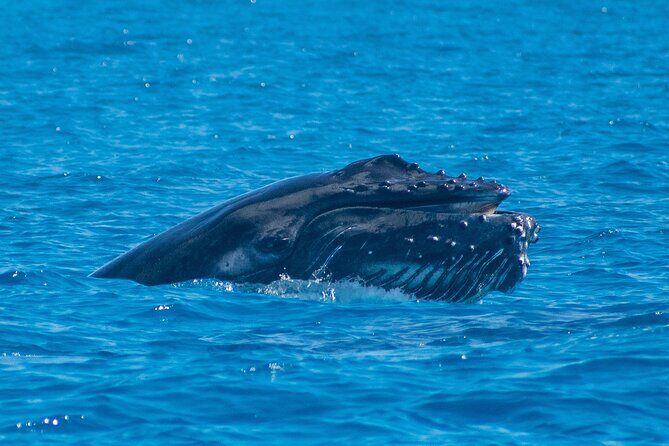
The tour’s viewing style is worth understanding up front. You’ll observe whales from a distance and avoid disrupting them. Sometimes whales approach and hang around, which can feel like you got lucky in the best way. Other times, they stay farther out, and your viewing will be more about patience and careful watching.
This distance-first approach usually makes the experience smoother. It also protects the whales and keeps the crew’s job straightforward. The result is more control for you: fewer chaotic moves and a more peaceful atmosphere when you’re watching.
If you want a movie-perfect close encounter every time, you may feel frustrated. But if you want the real thing—behavior in natural conditions—this distance-respecting method is exactly the right trade.
Should you book Grand Turk whale watching with Ocean Vibes?
I’d book it if your timing matches the peak season (mid January through mid April) and you want a half-day excursion that combines real whale time with education. The inclusion of a marine biologist and hydrophone makes it more than a simple boat ride, and the small group limit (max 30) helps keep the experience comfortable.
Skip or wait to see if you have flexibility if you’re traveling outside the peak season window, or if weather is uncertain. The tour requires good weather, and you’re also on the water for a meaningful chunk of time.
In short: if Atlantic humpbacks are your target, and you’re booking for Grand Turk during the best months, this is the kind of excursion that tends to leave you with a story that goes beyond I saw a whale.
FAQ
How long is the Grand Turk whale watching tour?
The tour runs about 3 hours 30 minutes.
When is the humpback whale season best in Grand Turk?
The best season is between mid January and mid April.
Where do I meet for the tour?
You meet at Jack’s Shack Beach Bar & Grill, on the beach opposite the Island Power Plant in Cockburn Town, Turks and Caicos.
What’s included in the price?
It includes local taxes, bottled water, snacks, a glass of rum punch, use of a hydrophone, and on-board marine biologist services.
Do we listen to whale sounds during the trip?
Yes. Hydrophone use is included.
Is the rum punch included for everyone?
Rum punch is included, but the minimum drinking age is 18.
What’s the group size limit?
This experience has a maximum of 30 travelers.
What happens if weather is poor?
The experience requires good weather. If it’s canceled due to poor weather, you’ll be offered a different date or a full refund.